10 Most Common Appliance Repairs Techs Get Wrong
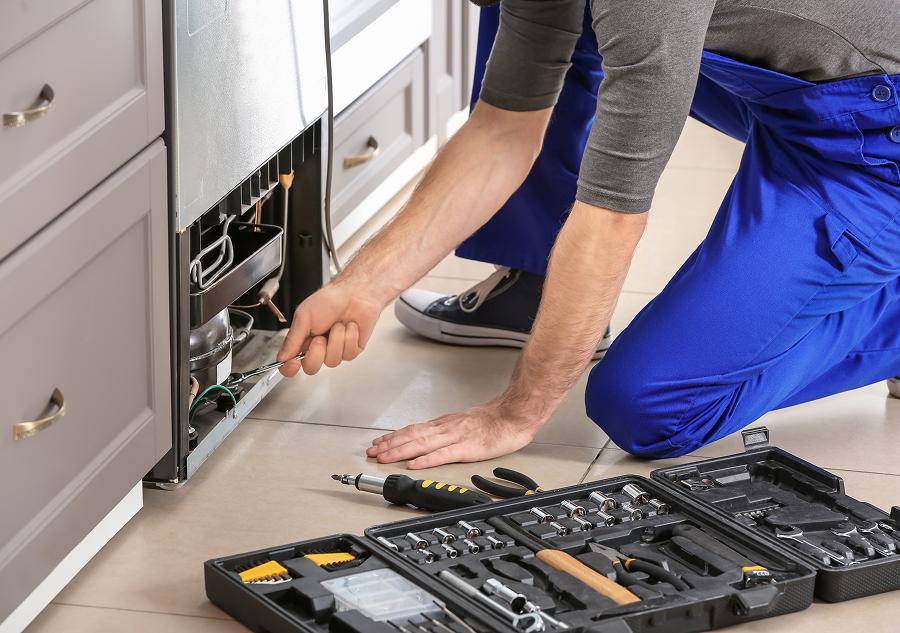
The 10 Most Common Appliance Repairs in Multifamily Housing (And What Techs Get Wrong)
Appliance calls are a daily reality in multifamily maintenance. Between refrigerators, dishwashers, washers, dryers, ovens, garbage disposals, and microwaves, the average apartment has half a dozen things that can break. Multiply that by 200 units and you've got a constant stream of work orders.
The good news: most appliance repairs follow predictable patterns. Once you've seen the same failures a few times and know where to start, you can close most of these calls faster than you think. The not-so-great news: there are some persistent mistakes that slow techs down and create callbacks.
Once you've seen the same failures a few times and know where to start, you can close most of these calls faster than you think
Here are the 10 most common appliance repairs in multifamily, and what to watch out for on each one.
1. Refrigerator Not Cooling
What you'll usually find A failed evaporator fan motor, a frosted-over evaporator coil, or a condenser coil so clogged with dust it can't transfer heat.
What techs get wrong Skipping the condenser coil. Pull the refrigerator out and look at the coil on the back or underneath. If it's matted with dust and debris, the refrigerator will run constantly and still not keep temperature. Clean it before you do anything else. It takes five minutes and fixes a surprising number of "not cooling" calls without any parts at all.
Also check the door gaskets. A gasket that isn't sealing properly lets warm air in constantly and makes the compressor run nonstop. A simple dollar bill test (close the door on a bill and try to pull it out) will tell you whether the gasket is sealing.
2. Dishwasher Not Cleaning Dishes
What you'll usually find Clogged spray arms, a dirty filter, or residents using the wrong soap.
What techs get wrong Replacing parts when the problem is maintenance. Most dishwashers have a filter at the bottom of the tub that gets clogged with food debris. Residents almost never clean it. Pull it out, clean it, and test the unit before you do anything else.
Also check the spray arms. The small holes in the spray arms can get clogged with mineral deposits or food particles. Remove the arms and run water through them to check flow.
And yes, the soap matters. Dish soap (the kind for hand-washing) creates way too much foam in a dishwasher and will cause it to leak or underperform. Residents sometimes use it when they run out of dishwasher detergent. If you see foam coming from the door seal, that's usually what happened.
3. Washer Not Draining or Leaving Water in the Drum
What you'll usually find A clogged pump filter, a kinked drain hose, or a pump failure.
What techs get wrong Not checking the pump filter first. Most front-load washers (and many top-loaders) have an accessible filter near the bottom front of the machine. It catches coins, buttons, and debris that would otherwise damage the pump. If drainage is slow or stopped, this is your first stop. It's behind a small door, takes 30 seconds to access, and is often the entire problem.
Also check the drain hose for kinks behind the machine, and verify the standpipe isn't clogged if multiple units are on the same drain stack.
4. Dryer Not Heating
What you'll usually find A tripped thermal fuse, a failed heating element, or a clogged vent.
What techs get wrong Replacing the thermal fuse without checking the vent. The thermal fuse is a safety device that blows when the dryer overheats. If you replace the fuse without clearing the vent restriction that caused the overheating, the new fuse will blow again quickly. Always check and clean the vent first.
Also check the vent path for excessive bends. Every 90-degree bend in a dryer vent duct reduces its effective length. A vent with too many bends creates back-pressure that restricts airflow and causes the dryer to overheat.
5. Garbage Disposal Not Working
What you'll usually find A tripped reset button, a jammed flywheel, or a dead motor.
What techs get wrong Calling it dead before checking the reset button. The reset button is a small red or black button on the bottom of the disposal. When the motor overloads, it trips this button. Press it in firmly until you feel it click. Then run the disposal. This resolves the majority of "disposal won't turn on" calls.
If it hums but won't spin, the flywheel is jammed. Use the hex wrench (usually stored in the cabinet under the sink, or a 1/4-inch Allen key works) in the center port on the bottom of the disposal to manually free it. Never reach into the disposal with your hand.
6. Refrigerator Making Ice Slow or None at All
What you'll usually find A clogged water filter, a frozen water line, or a failed ice maker module.
What techs get wrong Assuming the ice maker is broken without checking the water supply. Confirm water is actually reaching the unit. Check the valve behind the refrigerator, check the water filter (if it hasn't been replaced in 6 months or more, it may be restricting flow significantly), and make sure the ice maker arm or sensor is in the "on" position.
Also: ice makers in vacant units often have frozen water lines from sitting idle. Thaw the line before you replace anything.
Assuming the ice maker is broken without checking the water supply. Confirm water is actually reaching the unit. Check the valve behind the refrigerator, check the water filter
7. Oven Not Heating or Heating Unevenly
What you'll usually find A failed bake element, a failed temperature sensor, or a control board issue.
What techs get wrong Not running a diagnostic before ordering parts. Most modern ranges and ovens have built-in diagnostic or service modes that will tell you exactly what the fault code is. Running that mode takes two minutes and points you directly at the problem. Skipping it and guessing at parts wastes time and money.
For electric ovens, the bake element is the most common failure. Look for visible breaks, burns, or blistering on the element. If it looks intact, test it with a multimeter for continuity.
8. Washing Machine Vibrating Violently
What you'll usually find Unbalanced load, shipping bolts still installed (in new machines), or worn shock absorbers.
What techs get wrong Not asking about the load first. An overloaded or unbalanced load is the cause of violent vibration in the majority of cases, especially in front-loaders. Ask the resident what they were washing. A single heavy item like a comforter in a front-load washer with nothing to balance it will make the machine shake hard enough to move across the floor.
If it's not load-related, check that the machine is level. All four feet need to make solid contact with the floor.
9. Microwave Not Heating
What you'll usually find A failed magnetron, a blown fuse, or a failed door interlock switch.
What techs get wrong Jumping to the magnetron (which is expensive) without testing the door switches first. Microwaves have multiple safety interlock switches that prevent the unit from operating with the door open. When one fails, the microwave will appear to run (the light comes on, the turntable spins) but produce no heat. Test the door switches with a multimeter before you assume the magnetron is gone.
Important safety note: microwave capacitors store a very high voltage charge and can hold it for a long time after the unit is unplugged. Do not work inside a microwave without discharging the capacitor.
10. Dishwasher Leaking
What you'll usually find A worn door gasket, a clogged drain causing water to back up and overflow, or too much detergent/wrong detergent.
What techs get wrong Not identifying where the leak is actually coming from. Water on the floor under a dishwasher could be coming from the door seal, the drain hose connection, the water inlet valve, the pump housing, or even condensation from the adjacent cabinet. Dry everything off, run the dishwasher, and watch during the cycle to pinpoint the source before you replace parts.
Build Your Appliance Repair Skills
Appliance diagnostics get faster with every repair. The more comfortable you are with diagnostic modes, wiring diagrams, and component testing, the more calls you close on the first visit without ordering parts.
The Maintenance Academy has free training on dishwasher diagnostics, refrigerator repair, water heater servicing, washer and dryer troubleshooting, and more. All expert-led, all free, all available whenever you need a refresher or want to learn something new.
Start learning at the Maintenance Academy