Refrigerant Logs for Multifamily EPA Compliance
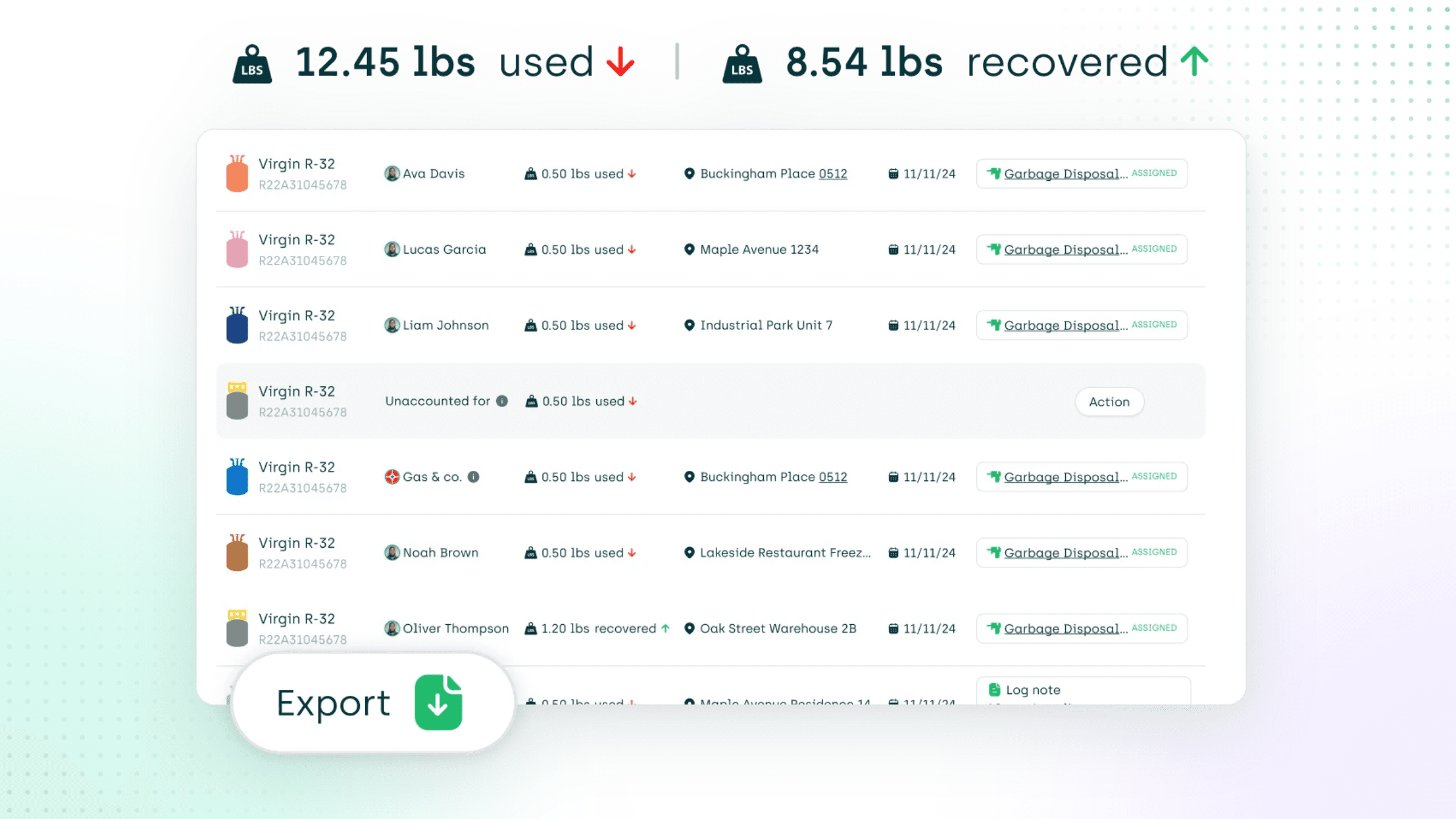
The binder in the shop is not a compliance program
At most properties, the refrigerant log is a three-ring binder on a shelf in the maintenance shop. Entries are in pencil. Some are missing the cylinder number or the unit, and the pages from last summer are somewhere in the truck. Then a buyer's due diligence team or an EPA inspector asks for three years of records on the rooftop unit over Building C.
That is the moment refrigerant tracking stops being paperwork and starts being risky. If it isn't documented properly, it didn't happen. Mark Sharp, an EPA proctor and the CEO of Maintenance Academy, says it plainly, and he is right.
AppWork Refrigerant Logs replaces the binder with cloud-based refrigerant management that lives inside the platform your maintenance team already uses for work orders. Techs log refrigerant from their phone, every entry attaches to the work order it came from, and the record is searchable the moment it is saved. This post covers what the EPA actually expects from a multifamily portfolio and how refrigerant tracking software built into your work order system meets it.
What the EPA actually expects from a multifamily portfolio
Section 608 of the Clean Air Act is the rule most maintenance leaders know by name. It requires that anyone who services equipment containing regulated refrigerant hold EPA Section 608 certification, and it sets out recordkeeping for refrigerant added to covered appliances, leak rate calculations when a system crosses its threshold, repair deadlines, and record retention for at least three years. For years the leak repair provisions applied to appliances holding 50 pounds or more of ozone-depleting refrigerant such as R-22.
That scope widened on January 1, 2026. Under the AIM Act's Emissions Reduction and Reclamation rule, leak repair and recordkeeping obligations now reach systems holding 15 pounds or more of hydrofluorocarbon refrigerant with a global warming potential above 53. That pulls in R-410A and the newer A2L refrigerants like R-32 and R-454B. Comfort cooling equipment that leaks more than 10 percent of its charge in a year has to be repaired within 30 days, and the calculation has to happen every time refrigerant goes in. Read the HVAC School breakdown of the 15 pound threshold for the technician's view, and check 40 CFR 84.106 for the exact text before you build a policy around it.
Here is what that means in practice for multifamily property management. Smaller split systems in garden-style units may sit under the threshold, but the larger equipment across a portfolio often does not: rooftop units on clubhouses and central plants serving mid-rise and high-rise buildings. The burden of proof sits with the owner. If a system is covered and you cannot produce the charge history and the leak rate math, the absence of a record reads as a violation.
Paper and spreadsheets fail this test in predictable ways. A tech charges a unit at 4 p.m. on a Friday and writes it up Monday, if at all. The binder tracks pounds added but not which work order triggered the service, so nobody can reconstruct the leak rate later. A regional manager overseeing 30 properties has 30 binders and no way to see which ones have gaps until someone asks. EPA compliance documentation that only exists on paper is one lost binder away from not existing.
How AppWork Refrigerant Logs works
The short version: the log lives inside the work order. When a technician charges a system while working a service request, they record the refrigerant from the AppWork Technician App on the spot, and the entry is linked to that work order automatically. There is no separate app to open and no binder to find later. The work order already knows the property, the unit, the tech, and the date, so the refrigerant entry inherits all of it.
That work order system integration is the part that matters for compliance. A leak rate is only as good as the service history behind it, and a service history that is reconstructed from memory is not a service history. Because every refrigerant entry in AppWork is tied to the job that produced it, the record answers the questions an auditor asks: what was added, to which piece of equipment, by whom, and on what visit.
A few specifics from the Refrigerant Logs page:
- Technicians add logs from the mobile app, and the Technician App's offline mode means an entry in a basement mechanical room still saves and syncs when the phone reconnects.
- Every entry goes into one centralized, searchable database instead of a shelf of binders, so records that meet EPA Section 608 requirements are a search away.
- The system tracks virgin and recovered refrigerant separately and keeps cylinder inventory, so you can see where refrigerant is going across jobs and properties.
- Unaccounted-for logs surface logging gaps before an inspector does.
Because this is cloud-based refrigerant management rather than a desktop program or a spreadsheet on one laptop, the regional manager and the compliance person at corporate see the same record at the same time. Nobody is emailing a scanned page.
What changes for the people running the portfolio
For a maintenance operations leader, the first change is that compliance stops depending on the most organized tech at each property. The log is captured as part of completing the work order, which is something techs already do on every job. There is no second workflow to enforce, and nothing to chase at month end.
For a property manager or regional, the change is visibility. Property portfolio management means knowing which sites carry covered equipment and whether their records are complete, without driving to each one. With refrigerant usage tracked across jobs and properties in one place, a pattern that used to hide in separate binders becomes obvious: one rooftop unit that keeps taking charge is a leak that needs a repair, not a line item that keeps showing up on the supply invoice.
And when the due diligence request lands, the change is time. The record is already organized by property and work order, so producing a history is a search, not a weekend.
There is also a cost story that has nothing to do with the EPA. Refrigerant is expensive, and the AIM Act phasedown is shrinking the supply of HFCs like R-410A year over year. Tracking virgin against recovered refrigerant and keeping cylinder inventory current means you know where every pound went. Unexpected losses, whether from an undiagnosed leak or a cylinder that walked off, show up in the data instead of in next quarter's budget variance.
All of this runs inside the same maintenance team tools your techs use for work orders and inspections. Refrigerant Logs is one module of the AppWork platform, which means there is no separate login and no separate data export when someone asks for the records.
Start before someone asks for the records
The worst time to build a refrigerant compliance program is the week an inspector or a buyer requests one. The second worst time is the week after a new rule takes effect, and that week was January 2026.
If your techs are already on AppWork, Refrigerant Logs is waiting in the Technician App. If they are not, this is a good reason to look at what happens when refrigerant tracking software is part of the work order instead of a separate chore. Book a demo and we will walk through it with your properties and show you what the record looks like when the binder finally retires.
This post is general information about EPA refrigerant rules and is not legal advice. Thresholds and exemptions depend on the equipment type and the refrigerant in it. Confirm your obligations against the current text of 40 CFR Part 82 and Part 84 or with your compliance counsel.