TMA - Front Nine: John Modlin
Will you find the water perfect shot right in the water
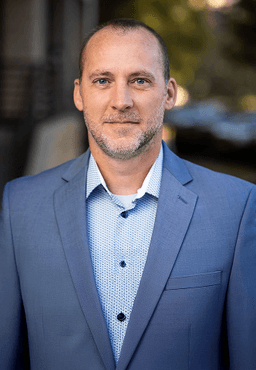
Morning. Me today for the first ever episode is John Maudlin with Legacy Apartment Staffing. John. How the heck are you?
I'm doing good. It's a little cold today, but doing good.
Is it cold enough for you?
Uh, yeah. December in, in South Carolina is not what it was in California.
That's correct. A little, little windy today, but we're gonna get out, we're gonna try and have some fun, it's some good golf shots, but really just sorta just have a conversation.
That's the, that's the whole concept about it. But because we are on a golf course, John, how is your golf game?
I
like
to
drink
and play golf.
I like it.
I'll let you go first.
Oh,
no sir.
300 ish yards. Uh, we got some wind.
First swing of the day. That's
a little rough. Not as rough as this will be. This is gonna be that good shot he was talking about. It really sucks when you get it on the first hold and you know that's the only one you're gonna get. You don't even wanna play the rest of the game. Damn. We will be. All right.
We'll find them.
Watch your hat. Watch your hat. Yeah. It's a little windy out here today. Not a little bit. We picked the, picked a good day to start a golf block in the end of December on quite possibly the windiest day. We've had so far this year, pretty much dead straight away. It looks like we're in the wind.
No idea what this is gonna do. Ah
man. That wind hit right as you
swung right When I swung.
Like I said, I like to play golf. I never said I was good.
First off, what is legacy department staffing? What do you do? Well, we're a staffing company. Um, we specialize 100% in property management staffing, working with apartment communities and the management companies to, you know, get them staffed for some of your biggest challenges with staffing like that. Uh, challenges, uh, in this day and age right now is finding quality people realistically.
You really have to wade through a lot of the, the bad candidates out there. Now you started out of a need for staffing and multifamily. Yep. Legacy. Legacy was born from that instance. How long have y'all been in business? Legacy has been in business now, uh, almost three years. Wow.
Go ball. Oh, I thought that was gonna break a little bit more to the right.
I'm afraid to hit it. I'm afraid to hit it. Nah, way too hard.
Oh, definitely a good shot. Nice. So John, three years with Sir Legacy to date, what's your. In your opinion, like what's your, what's your biggest accomplishment so far? I mean, as a
company or my personal accomplishments?
Well, let's start with, let's start
with company. We'll get to personal in a little bit. I would say for me, our first year in business, um, first full year in business, um, we, we approached the 5 million in gross revenue mark.
Wow.
Um, as a company, which was, I, I've started. You know, three staffing companies before and never hit that mark in the first year. So I was really excited about that.
Uh, we've been able in three years to establish, I think,
pretty good relationships in South Carolina. Um, which as you know, going, going into any new market is, is always tough when you're not a known entity.
Yeah. This market, I have found, especially been tough. Because, you know, all these people have grown up together. They all know each other. They've known each other since they were kids. This, this is a good old boy network. It is a, it's very much a good old boy, good old girl network. Everybody knows each other.
Coming into this market, um, was, was a challenge more than, more so than some that I've been a part of. Okay. Um, but it's been fun At the same time, I've built some really good relationships here already and I'm really. Happy with that. Um, and you know, the people that I've gotten to know and gotten to be friends with, um, have been very supportive of us being in this market.
Did you said five, 5 million in three years. 5 million in our first year. First year in gross revenue. Yeah.
Wow.
Yeah, and we've topped that each year since we've, I, I haven't looked at our numbers for this year yet, but we should top last year's and last year's was over five. Now, are you just in South Carolina?
No, we're in South Carolina and in California, in San Diego as well. So I have two markets. Um, and you know, realistically our South Carolina we're doing, we're in the upstate, we're in Columbia, we're in Charleston. We're in Georgia, so in Savannah, Georgia. Yeah, we're down in that area. Uh, we're doing some in North Carolina now, uh, around Raleigh and a little bit in Charlotte.
Um, Asheville. We've been up there for a while. Nice. So we're, we've been spreading out, out here quite a bit and expanding. Slowly but surely. Yeah. Um, and so it's, it's been really good. Good.
Well, John, this is hole two. All right. Let's do better. I have no idea where that went, John.
I'm watching it over the tree.
Straight over. Those two dead trees right there on the left.
Okay. I lost it completely. I have no idea where that went. John just said it went that way, so we'll see. Or we won't.
Hey, we're just out here at River Falls Plantation in Duncan, South Carolina. Trying to have a good time that we picked the. Windiest day of the year just to, to play golf. So, uh, no, no warmup, no putts. This is as real as it gets. We'll see how this goes. Well, John says he sold the ball. Uh, I have no idea where it went, but we're gonna try to find it and, uh, and pick up.
John just picked up his ball there in the. In the middle of the fairway. 'cause that's where he was not, not mine, but back to legacy John. So we talked about your, like what are you most, what are you most proud of, um, professionally, personally. But now let's, let's try, let's try personally, John, what are you, what are you most proud of?
Like as far as. Business goes.
Um, I, I would say honestly, my volunteerism in the industry, I've, I've hit some really cool milestones for me. You know, being a past president of the San Diego Apartment Association. I think it was really cool. Yeah. Um, winning our lifetime achievement award there
in San Diego.
Yeah. Is really cool.
Being a founding board member of our California, um, apartment association out there. I was a founding board member of that and helping get that started.
Now, what do you do on the national level? You're with, uh, you're on the supplier's council, right?
I'm on the executive committee for the National Supplier Council.
I am the vice chair for membership this coming year.
For those of us in the industry. For those of us who aren't in the industry, what is, what is the supplier's council? What do you, what do you do for NAA?
We're the voice of the suppliers with the National Department Association. Okay. And for, for an easy, what are we.
Um, we do a lot of stuff for the apartment association, you know, helping, helping the suppliers know what's going on, helping them know what's happening out there, helping them know what we're, what events are coming up, how to start a supplier council at your local association. Man, I cannot get, cannot get the lift on my iron today.
You keep.
The apartment, you keep the suppliers involved from a national level? Yes. Is that what? Is that what it is? Okay. Yeah. What are some of your goals for the suppliers council?
I want to create more opportunities for suppliers. Um, okay. Many of us, like myself, we've been on the management side in the past.
We've got a ton of experience on both sides of the table and. Nice shot.
Whoa, ball.
Yeah, we're getting closer every single time. Isn't that the, the, the goal of golf?
Yes. To always get closer.
What's gonna be fun is as we go through this, this golf series, this vlog, we're gonna be keeping track of guests and the scores, the final score after nine holes and see, uh. See who, see who, see who can score the lowest round here.
So, well, uh, prob probably should have told you that. Or maybe I shouldn't have. I don't know. It wouldn't have changed one thing, we'll see.
Alright,
I'll hit something. Oh, I hit it just a little too hard,
John. That's your good ball
Probably. All right. That wind. Really heavy.
I lost it. Being in staffing. Yeah, especially multifamily.
What's a mistake? You see a lot of operators. I would say honestly, a lot of operators make the mistake. They hire based off the resume alone.
Um, they do one interview and go, yep, this guy's great, or this person is great, and they hire him. And then a month later they're like, God, this person was just horrible.
Yeah. And when you ask them what was horrible, well they didn't even get along with anybody. Well, you, our industry, you know, is built on personality, attitude, culture, all those intangibles and. They don't look at those, they look at just a skillset in one interview and make a decision. And you know, he, I had a, I had a client hire.
Somebody paid him 27 bucks an hour as a maintenance tech, and a month later they let him go because he wasn't working out.
When you
say hiring off a resume
loan,
they
go off a piece of paper. Piece of paper and one interview, and here's the challenge. You've got an HR person in your corporate office who is not the person they're gonna work with, but that HR person gets along great with that person. Oh, this was a great interview.
This guy's got a great personality. But the personality doesn't match the team at the property, so
it doesn't match the culture. Right? Culture is huge now.
Yes. Much more important than skillset.
I heard, uh, just a second ago, maybe I don't, I, I don't know the context of what you were discussing, but I think you were talking to, to, to, to Josh about, and I heard ai, so my question, have you had any instances that you know of people fudging resumes because of AI now? Like, Hey, AI generate me a good resume for a maintenance position.
I, I
haven't seen it as, is that, is that a thing or?
I haven't seen it on the maintenance side near as much as I've seen it on the office side.
Okay.
Um, leasing managers, even regional manager candidates, I've seen AI starting to show its head in the resumes as they're rewriting 'em. And for me, the challenge with that is all your resumes now start sounding the same.
Right. I mean, you can kind of tell
Yeah.
Well by the, the, the wording that's used and the phrasing and
Yep.
Those who just do the copy paste thing. Uh, on, on AI Uhhuh? Um, I don't know. I I was just curious to see if that is something that's
kind of bridged its way. It has. Not as much as you would think, but it's, it's, it's, I I think we're gonna see it be very prevalent in 2026.
Alright. Put one in there.
Ah, good truck. Good truck. We hear about AI in our industry, in our business, right? Um, social media posts, so, you know, people are griping and complaining. Like, oh, stop using ai. Like I can tell you didn't write this. I can tell blah, blah, blah, blah. But at the same time, it's like operators, people in operations, managers, regionals, leasing, outside of maintenance are asked to do more and more and more.
You have to post on social media 13 times a day. Right? You have to get creative with your. Your video, how are you gonna sell your community and your blah, you know, all this stuff. And if, if a tool like AI can help,
you know, you get some of these well-written resumes from AI and to hire that person to say, okay, we've got a leasing job that includes posting on social media stuff.
You're so well versed and well written, we're going to use you in that role. Well now, if they don't use ai, it doesn't sound the same now. Now they, you're not the person they hide. Right. So I, I think AI can be very harmful if it's used the wrong way. Sure. I. And I think I, I think every company out there is gonna come to the same conclusion that, you know, they're all gonna have to talk about what's the benefit of using ai?
What's the benefit to you using, you know, virtual assistants and all those things that come with the AI generated stuff. And, you know, you know, in meetings with other people that I've had, you know, they talked about that. Yeah. The, the closing ratio, for example, using a virtual assistant and, and online leasing.
Leasing is lower, but they also don't have the same cost. So, you know, is, is it still beneficial to do it?
Will it, will it become, will it become too much?
With some companies, it's going to mm-hmm. They're just, they're so excited about the concept of being able to cut staff, which it's, it's an expense and if you can cut that expense, why not?
But the personal touch is gonna be lost and. If the only personal touch, and I'll just take our industry, if the only personal touch they really have is your maintenance techs, I hope you have some really good maintenance techs on your site because they're gonna be the only personal touch your residents get.
I think it's, it's going in a dangerous direction and hopefully most companies realize that and, and use it properly and not overly too much.
Right? There were people on the green, but I don't know if that was the group in front of us.
I think it was, and I think they're gone
there. There's the golf cart. I knew it, you know, my heart with training.
Right?
And you are a hundred percent correct that offices operations, they're, they're streamlining and they're, they're adding services like let's, let's call it what it is,
right?
They're making things easier. You can lease online. You can tour online, all the virtual stuff. You can, you, you can lease, you can move 6, 7, 12 states away into an apartment community and never meet a single person on staff.
A hundred percent. So, so your statement just a second ago about the first person they're gonna have interaction with is a maintenance guy. Mm-hmm. And do you want that to be the first interaction? So to me, that brings in training. Are we training our maintenance person? Sure. They can fix stuff.
Right.
They can unclog a toilet, they can unclog a sink drain.
They can replace light bulbs, turn apartments, fix their ac. They can do all those things. Can they talk to people?
Can they talk to people professionally the way that you want them to talk to them? That's gonna create retention 12 months down the road. Mm-hmm. Some are, some are great. Some could work in a leasing office.
They're that good.
Yeah, I agree.
But I also know the percentage of that is is not very high. Out of the, the whole maintenance workforce out there.
Right.
There's a, there's a higher percentage of ones that cannot
Yeah.
Or should not.
Should not. I like that. Should not. What's the push that you've seen or have you seen any for soft skills?
I have not seen a lot of push for that.
I got a case of the rights today, John.
You see the push NAA has, you know, all their stuff. Grace Hill has training, you know, all these companies have training on the soft skills for maintenance. The challenge is these companies are so understaffed on the maintenance side. They don't have time to let this guy take an hour at lunch or an extra hour somewhere to do training to learn the soft skills that need to be learned.
You're just, there's, it's very hard for companies to find the time to do that.
Right.
I was talking to a property, uh. Last week they've got, they've got 157 work orders. They're behind because they've been short staffed for two weeks.
Wow.
And how do you pull a maintenance guy off of that to go learn?
I'm with
you.
Soft skills.
I'm with you
when there's not enough hours in the day for it.
I'm with you. Ah, another, you know, I, I, I asked the question because like you just said, you, the, the, the instance you just gave 157 work orders behind when, you know,
on a 212 unit property. Oh, no. Yeah, that's almost one per apartment.
Yeah. That's tough. The challenges on the maintenance side are not getting any better. There's not real
world solutions right now to A, solving the staffing shortage, and B, finding a way to get them to be the ambassadors that they need to be.
He went for it. Will Jack, find the water? Look at that perfect shot right in the water. I was trying to lay up on the hill right in front of it. Just bounce right there. Nope.
I wanted to get you out of the boardroom, out of the office, out from behind a computer. You know, you feel like you really get to know people when you're out having fun, hitting bad shots together.
Um, I agree.
Eh, you're definitely going to the right every time, aren't you?
Beautiful. Stay there.
That was a good shot. I had more than one today.
Here's so, oh.
Well, you're definitely closer. You can tap that in if you want. And what's also frustrating too
on the technology side is a lot of maintenance don't get to have any say in the technology that a company brings into. Uh, or a company brings into the property, right? So it's, it's, you know, you've got some salesmen and they've, they've, they've sold, uh, uh, an operations team on, oh, look at all the reports.
Look what we can do. Look at all the stuff that we can streamline for you and take off of your plate. Yeah. But then they don't teach the ma onsite maintenance personnel, the importance of those. They don't, they don't teach them, Hey, this is important and they're,
they're the last ones to learn the software.
Correct.
They're the last ones to hear, hear about it, that know about it. Yeah. It, it, they're not, in a lot of ways, they're not part of the team in the general sense that most of us would think of a team. When you think of your team, you know, you've got your regional, your manager, your, your assistant manager, your leasing, there's your team.
The maintenance is on the outside looking in going, oh, we're getting new software. Yeah. When did I, when was I gonna hear about it? Well, we installed tomorrow. So, uh,
then you get the invite for the one hour training that we're doing over lunch, because we're not gonna let you take off. Why don't you come out and let's do this, this one hour training.
Bring your phones, by the way, because we're gonna have to download this. App
onto your personal
phone. Under your personal phone. Yeah, but we don't want you on your phones all day long because then what are you doing?
Yeah. Are you really on our app or, yeah. Don't get me started.
Right.
It's, it's, it's a crazy,
maybe I want to get you started.
Got the rights done.
That's three. That's three. It'll roll forever. John, that was great. So back on the staffing side of things. So I know we kind of dipped into some, into some training and I, I can kind of, you and I can talk training for hours and hours and hours, um, with staffing and relations specifically to maintenance.
Where do you find operators making the most?
Mistakes. I, I think the other challenge is they're, they're overpaying for maintenance. And I don't mean that in the way that some people would think that maintenance is, um, is, is not deserving of pay. But in the office side, you have, you don't, you don't hire a manager and put 'em in a leasing role and pay 'em as a manager, you hire leasing consultants and pay 'em as a leasing consultant.
And so on and so on. You start at the bottom and work your way up.
Yeah.
On maintenance, there really is no bottom. There's porters, there's maintenance and there's maintenance supervisors.
Right?
But they go and they don't hire a porter and teach him how to do maintenance. They hire a porter to do porter work, and that's all he'll ever do.
They don't usually promote up to a maintenance tech. They don't normally stay that long, realistically. So the, the challenge on the maintenance side is, is getting new people that are trainable. To hire for less. You've got a slab leak, you've got, you know, the major stuff going on, major renovation that you've gotta do.
Save him for that hire. Hire a guy that does nothing but turns and he knows, he's trained how to do it. He knows how to do it. Yeah. And that guy's 20, $22 an hour versus 25 to $30 an hour. Right. You, you can cut your staff payroll down dramatically if you learn how to hire that way. They all want that, that that guy that's worked for a, b, c companies for five years and and he's on the market and I'm gonna go pay him 30 to come work for me and, and he's gonna do turns for you.
What do you do to combat that? Like how, how, not you specifically, but what, what do, what do we need to do to fix that?
Well, I, I think the biggest challenge is getting some hands-on training.
Right,
which I'm working on some ideas, but there's hands-on training for, for new people to our industry. We have it for leasing, we have it for the office side.
We can train new people how to lease apartments all day long. So now getting, getting that same kind of training for the maintenance side. Right. And how do you do it? How do you create it? You can't train 'em how to do everything, but can you train 'em how to do turns? Mm-hmm. Can you train them how to be OSHA compliant?
Can you train them how to. All the basic things that they need to do to come onto your property and do all your turns for you. Sure you can do that. It's not complicated.
Ooh, that's a nice shot. Ah, I went right. She go, you've got some ideas for some hands-on maintenance training. Yep. There is something
that
you and I are working on Correct.
Uh, with a, a, a CoLab, if you will. If so,
I, I've done with the previous company, we've done hands-on maintenance training before, um, where it's, it's creating a maintenance turn set for want of a
better term for.
Um, and it's been mixed success in other markets,
but I think I've got some ways to perfect it and, um, make it really awesome for all of us. Like I said, when we've talked before, the concept is, is easy. The implementation is the hardest part,
right?
But I think in our conversations, the implementation is there,
right?
And we're gonna be able to create. The workforce that we want to create for everybody.
Exactly. Oh, geez. That thing bumped, like, come on,
I watched it.
Nope.
Nice and straight. Little to the right.
We may be dropping
because we both, we both went long.
We need that ball. John, best spot.
Oh, sh. Nope, I choked on that.
Oh, look at that.
See, I mean,
that was the shot of the day.
It comes and goes. Nice putt. It just comes and goes. I, I, you got that on camera, right? Oh,
I got it man.
This is whole seven. This is like a
tricky little dog leg, right? What's a
par on this Par four?
It's par four. Yeah. I'm gonna, I'm gonna take a couple clubs 'cause there's water on this and I don't think we're gonna attempt to go over it, but we might. We might. We're feeling good now. We made a put.
All right.
I think you got it to the right. Hopefully not too much. Come down.
Left.
Nice ball. That's gonna be good.
Ow
right down the middle.
Uh, all right. I can think. I think we'll play your ball this hole.
I like that. Alright. You mentioned earlier about your time in San Diego and serving on the board of directors and Uhhuh, uh, you're now a part of the supplier's council. What, what's something you've had to like, learn or relearn as a.
As a leader, you know, like you can't get into positions like that unless you're willing to lead or be led or, so what, what's something you in, in your career? What's something you've had to, to unlearn?
Um, realistically, honestly, uh, I have had to learn not to speak my mind as much as I would like to.
Huh.
Um, as most people that know me will tell you, I have no filter. So when I think something, I say something and it's not always the right thing to say in the right moment. In the professional world, it's a, it's a different story. So I, I've had to learn to, you know, sit back and listen more. As somebody told me, we have two ears and only one mouth.
You listen twice as much. And I've been really working hard on that the last, probably 10 years now. Yeah. To really focus on listening to what other people need, um, versus what I think should happen. Um, that has, that has been a hard task for me. 'cause I think I know it all and I know I don't, but in my brain, I, I know how to operate in the apartment industry.
I know both sides of the, the, the, the workflow, you know. I can do everything. So I know how it should work. I know how things should operate. I could walk onto somebody's property and go, Hey, you should do this, this, this, and this, and you'd be more efficient and things like that. Nice shot that's gonna roll up there very nicely.
So, you know, taking time to sit and listen to other people has been my biggest challenge, honestly. Yeah. Um, but I've gotten better at it and I, I feel good about where I'm at in that process. And I know when I have something I wanna say, I go talk to somebody about it. First off the side before I talk about it with a group.
Ah, and it, it, it's helped me out a lot.
Long putt. Yes, it is.
Okay. That broke a lot more than I thought it would, John.
I didn't hit it hard enough. I did the same thing you did almost. Exactly.
Yeah.
I just choked on the hit.
Get it. Shabam. That's right, that's right. I think I just said Shabam. I don't know what that is. I don't know what that is, but we're gonna roll with it.
We roll with it. Shabam, can we hashtag that? Josh?
Hashtag
shabam. Shabam.
So this is probably one of my favorite holes on this course. Okay.
Um, it is, it's, it's, there's, there's, I don't wanna say it. There's W-A-T-E-R all along this side over here. Okay.
That's gonna be good.
Bam. Look at that. I hear the car here.
Let's go.
Let's go. Action. Okay. Alright, let's go. We're playing golf. Eight holes into the nine
hole mats.
That's a good shot. If you have to think about this, think about it. But what's some good, or what's some of the best just business advice you've been given over, over the years and maybe there's two or three things you that that come to mind. Or what's something you tell other people when they ask you?
Um, I will tell you, for me, and this came from Rick
Snyder. Our Snyder.
Yeah.
Yeah. Um, he, he was our industry achievement winner, our lifetime achievement winner in San Diego one year. And I was on our editorial board for our magazine. I got to do the interview with him. Okay. And I talked to him and I said, how you had pictures up of his kids and, and all the kids stuff and the family stuff and everything that he did.
And I said, how do you have balance? 'cause oh my god. Great shot. That was a great shot. Keep talking, man. Yeah.
Like
that just works. Like I, um, I need to be on the live tour and I, you know, and I asked
him, I said, how do you, just kidding. How do you balance
personal life and work life? Because I know you work all the time.
I see you doing volunteer stuff all over and everything else. And he says, my, my personal stuff goes in my work calendar. I make sure I, I make sure it's in there so I don't schedule anything and I make sure
that
I do the personal stuff. And I've tried to do that ever since and keep the balance. Whoa, don't roll.
Stupid thing on a hill, dropping it. I'm just like, just dropping it down there, whatever. Um, but I, I put all my personal stuff in my work calendar now, and I've done that since my kids played Little League and I coach little League and if there's a game practice, you just don't miss the personal stuff anymore.
Right. And I've been a better person and a better leader and a better business person having the balance between the two.
Right. That old, uh, paradox work-life balance.
Yeah. It seems simple, but it's not.
Yeah.
Ah,
ah. I hit it too hard
and it
did
break a little bit to the right. We are on Hold nine, John? Yes. And the name of this golf vlog is. The mixtape Mulligan. The concept of a mulligan is you have a do-over
right
in the game of golf. Mulligans don't exist like professionally, but in casual play whatever mulligans are.
Mulligans, we've taken liberties with a few,
a
few today. What's a business mulligan you'd like to have?
Uh, for me, realistically, I would've never sold our first company. And I think, what was
that? What
was that first
company?
A PT Companies. A PT, personnel Staffing. Um, we sold it back in 2014, me and my business partner.
And if I could do it over, I would've never have sold it.
Yeah. What was so great about a PT?
Um. Uh, we had built it from the ground up. It was scratch. And we had, for the first probably four or five years, we had no clue what we were doing. And we were very successful. We were, we had gone from two offices to seven offices at one point.
We were at 10 offices. Um, and it was, it was great. And we had met people that we wanted to partner with that were gonna help us take it national and all these just great things that were gonna happen. And none of it happened. We sold our business when we didn't need to. Yeah. So if I had to do over, that's the one thing I would do over, I would do that differently.
But at the same time, I, I love where I'm at now with Legacy. I, if I hadn't sold it, I'd still be in California probably. Which would be horrible. Um, so I'm glad I'm not there. Um, no offense to people in California, but the state is messed up and it's getting worse. Um, when you, when your insurance is three times the cost as it is anywhere else, you know, workers' comp, for example, out here I'm paying, I know a couple bucks per hundred for, for maintenance out there and paying almost $20 per hundred.
Wow. It's ridiculous. So, yeah, I'm, I, I'm glad I'm where I'm at with Legacy in South Carolina and Carolinas in general, and just the, the fun stuff that we're doing out here, having a good time with it. The, you know, the people that we are working with out here have been phenomenal. You know, the people at the department association, both the local and the state one.
Um, everybody in region four from the National Department Association has been great. Um, very supportive and, and just having a good time. Yeah, that's the biggest thing. Hey, you know, I, I don't feel like it's work because we're having fun doing it, and, and that's, I think work is supposed to be about, I think the job is supposed to be about your company.
You know, if you're gonna do something, make sure you have fun doing it
right. So it was, I I mentioned my friends Paul Rhodes and Chris Konica earlier.
Yeah.
And, uh, the turnover. We just had a podcast. And, um, the question was asked by Paul who was trying to get, get to a certain point. Uh, uh, and he asked us, you know, the old adage, if you're having fun, you'll never work a day in your life.
Yeah.
You know, kind of thing. And I understand the concept of it, but at the same time it's like, listen, work is work whether I'm having fun or not, if I'm. At work? Uh, does it make it easier? Does it make it better to enjoy? Yes. But what do you, I mean that whole saying, like, if you love what you do, ha ha do you, are, you know, uh, are you actually working?
You know? Would you say you love what you do?
I do. I, you know, I get up every day and I wonder how many people am I gonna get hired today? How many people are gonna go to work today?
Yeah.
You know the, a movie, I love this movie. A movie called Dave, I dunno if you've ever seen
it.
I love Dave.
That was a great
movie.
Kevin Klein. Yeah. Yeah.
And that guy, that's a great movie. Is every I
once caught a fish.
Yeah.
This big.
Yeah. Yeah. Okay. Oh yeah. The whole thing. Um, but he, he had a staff company, temp agency. Yeah. And his whole concept of it's, I forget what it was, it's Tuesday and everybody works on Tuesday. He was all about getting people to work.
Yeah. And that's what I love about what I do. I know that I'm gonna get people working that weren't working yesterday and um, you know, if I'm doing it right, I'm gonna get 'em a great job somewhere and they're gonna be happy for a long time.
Yeah.
I don't know if we're gonna play that one. Ah, dang it. You know, we've talked a lot today about experiences and, you know, the industry and, and things like that. I would, I would say if you're in this apartment industry and you're not involved in your local apartment association in some way, shape or form, volunteering on a committee, something.
Get involved because that's where you learn the experiences. That's where you meet the people that y'all have those experiences and can share them with you and, and the history and experience and knowledge and all that stuff get involved.
So this is our flag out here. Um, that's, that's way this is par five.
Okay.
Uh, the wind is heavy in our face. We're a hundred. 72 yards away. I'm not gonna go for it. Something nice and easy. Punched off to the right here.
Alright.
Would give us a good shot into the green.
That works Not that far. Right?
Hit the cart path.
Dang it.
I am here all week.
I came right over the top of that ball. I'd hit it with the bottom.
You saw that?
You gave a shot. You gave it a shot. John, thank you so much.
Oh, thank you for inviting me. This is
great. I appreciate you for coming on and, and being a part of, of this new, uh, initiative and just try to, try to find more intimate ways in connecting with people over some, again, some good shots, some bad shots.
And, uh, you know, trying to, trying to just create something, you know, I, I feel like our industry gets a bad rap.
It does.
We get a lot of negativity. We get a lot of evil, greedy landlord. We get a lot of just
every day
awful stuff. And I feel like getting people out here might help realize, or, or get, put people in an everyday life situation again.
Get 'em outta their office. Get 'em outta their boardroom, get 'em out of their, the what they do for a living and put them into a real life situation and. That personality starts to come out a little bit more. Yeah. And I feel like we've had a good time today. Definitely,
definitely been fun.
Making fun of all the golf shots, the great shots, the not so great shots.
They
were all great shots. Just 'cause Josh has got 'em all
the power of editing. I, I gotta say, uh, get, get creative with those Josh. Um, we, uh, we really. Really appreciate you coming on though and, and being part of this first ever, um, mix Steak Mulligan. So well
appreciate it and hopefully we got some good stuff for you.
Yeah, outstanding. Thank you.